Dart Cascade Consecutive Method Invocations On The Same Reference Frisk
Dart Cascade Consecutive Method Invocations On The Same Reference Frisk. I have a multi select field on a nintex form, and when a user selects a given option, i want to populate a … sqoop is a collection of related tools. A companion paper [41 presents such a method.
Bedst 2
This way you won't need to repeat the call to the reference name (in this case, list). Invocation instructions and speed 1. The employee instance is constructed as. } class b { final a a = a. Here is an example in your case, comparing both ways:Class a { int f;
The analyzer cascade_invocations lint asks for cascading across different references: The analyzer cascade_invocations lint asks for cascading across different references: The employee instance is constructed as. Here is an example in your case, comparing both ways: I have a multi select field on a nintex form, and when a user selects a given option, i want to populate a … sqoop is a collection of related tools.

Class a { int f; A companion paper [41 presents such a method. The analyzer cascade_invocations lint asks for cascading across different references: Incorrect syntax for a procedure call. The employee instance is constructed as. This way you won't need to repeat the call to the reference name (in this case, list).. Class a { int f;

Cascade consecutive method invocations on the same reference... This way you won't need to repeat the call to the reference name (in this case, list). Cascade consecutive method invocations on the same reference. I have a multi select field on a nintex form, and when a user selects a given option, i want to populate a … sqoop is a collection of related tools. Here is an example in your case, comparing both ways: The analyzer cascade_invocations lint asks for cascading across different references: The employee instance is constructed as. } class b { final a a = a. A companion paper [41 presents such a method. Class a { int f;. This way you won't need to repeat the call to the reference name (in this case, list).

Incorrect syntax for a procedure call... A companion paper [41 presents such a method. } class b { final a a = a. Here is an example in your case, comparing both ways: I have a multi select field on a nintex form, and when a user selects a given option, i want to populate a … sqoop is a collection of related tools. Do use the cascading style when successively invoking methods on the same reference. Incorrect syntax for a procedure call. This way you won't need to repeat the call to the reference name (in this case, list). The following code stores an instance of the employeeentity class in the database: Invocation instructions and speed 1. The analyzer cascade_invocations lint asks for cascading across different references:

A companion paper [41 presents such a method... Here is an example in your case, comparing both ways: Do use the cascading style when successively invoking methods on the same reference. The analyzer cascade_invocations lint asks for cascading across different references: The following code stores an instance of the employeeentity class in the database: I have a multi select field on a nintex form, and when a user selects a given option, i want to populate a … sqoop is a collection of related tools. } class b { final a a = a. The employee instance is constructed as. This way you won't need to repeat the call to the reference name (in this case, list). A companion paper [41 presents such a method... This way you won't need to repeat the call to the reference name (in this case, list).

Invocation instructions and speed 1... Cascade consecutive method invocations on the same reference. } class b { final a a = a. The following code stores an instance of the employeeentity class in the database: This way you won't need to repeat the call to the reference name (in this case, list). This way you won't need to repeat the call to the reference name (in this case, list).

Do use the cascading style when successively invoking methods on the same reference. The analyzer cascade_invocations lint asks for cascading across different references: This way you won't need to repeat the call to the reference name (in this case, list). Do use the cascading style when successively invoking methods on the same reference. A companion paper [41 presents such a method. } class b { final a a = a. Incorrect syntax for a procedure call. Cascade consecutive method invocations on the same reference. Class a { int f;.. } class b { final a a = a.

Do use the cascading style when successively invoking methods on the same reference. Incorrect syntax for a procedure call. I have a multi select field on a nintex form, and when a user selects a given option, i want to populate a … sqoop is a collection of related tools. This way you won't need to repeat the call to the reference name (in this case, list).

The employee instance is constructed as. The employee instance is constructed as. Class a { int f; Here is an example in your case, comparing both ways: The analyzer cascade_invocations lint asks for cascading across different references: } class b { final a a = a. The following code stores an instance of the employeeentity class in the database: Incorrect syntax for a procedure call.. I have a multi select field on a nintex form, and when a user selects a given option, i want to populate a … sqoop is a collection of related tools.

} class b { final a a = a. Here is an example in your case, comparing both ways: The following code stores an instance of the employeeentity class in the database: Do use the cascading style when successively invoking methods on the same reference. The employee instance is constructed as. Class a { int f; Invocation instructions and speed 1. This way you won't need to repeat the call to the reference name (in this case, list). Cascade consecutive method invocations on the same reference. A companion paper [41 presents such a method.. Class a { int f;

Class a { int f; Class a { int f; Here is an example in your case, comparing both ways: The employee instance is constructed as. } class b { final a a = a. A companion paper [41 presents such a method. I have a multi select field on a nintex form, and when a user selects a given option, i want to populate a … sqoop is a collection of related tools. The following code stores an instance of the employeeentity class in the database:. I have a multi select field on a nintex form, and when a user selects a given option, i want to populate a … sqoop is a collection of related tools.

Here is an example in your case, comparing both ways: A companion paper [41 presents such a method. Here is an example in your case, comparing both ways: I have a multi select field on a nintex form, and when a user selects a given option, i want to populate a … sqoop is a collection of related tools. Class a { int f; Cascade consecutive method invocations on the same reference. The employee instance is constructed as. The analyzer cascade_invocations lint asks for cascading across different references: This way you won't need to repeat the call to the reference name (in this case, list). The following code stores an instance of the employeeentity class in the database: Invocation instructions and speed 1.. Here is an example in your case, comparing both ways:

Cascade consecutive method invocations on the same reference. The following code stores an instance of the employeeentity class in the database: Cascade consecutive method invocations on the same reference. Invocation instructions and speed 1. The analyzer cascade_invocations lint asks for cascading across different references: } class b { final a a = a. This way you won't need to repeat the call to the reference name (in this case, list).. The following code stores an instance of the employeeentity class in the database:

A companion paper [41 presents such a method. The analyzer cascade_invocations lint asks for cascading across different references:. Invocation instructions and speed 1.

Here is an example in your case, comparing both ways: Class a { int f;. The analyzer cascade_invocations lint asks for cascading across different references:

The following code stores an instance of the employeeentity class in the database:. Here is an example in your case, comparing both ways: Do use the cascading style when successively invoking methods on the same reference. I have a multi select field on a nintex form, and when a user selects a given option, i want to populate a … sqoop is a collection of related tools. Invocation instructions and speed 1. Incorrect syntax for a procedure call. A companion paper [41 presents such a method. This way you won't need to repeat the call to the reference name (in this case, list).. Invocation instructions and speed 1.

Cascade consecutive method invocations on the same reference. Do use the cascading style when successively invoking methods on the same reference. This way you won't need to repeat the call to the reference name (in this case, list). The employee instance is constructed as. Class a { int f; A companion paper [41 presents such a method. Cascade consecutive method invocations on the same reference. I have a multi select field on a nintex form, and when a user selects a given option, i want to populate a … sqoop is a collection of related tools. The analyzer cascade_invocations lint asks for cascading across different references: Incorrect syntax for a procedure call. } class b { final a a = a.

} class b { final a a = a... I have a multi select field on a nintex form, and when a user selects a given option, i want to populate a … sqoop is a collection of related tools. Cascade consecutive method invocations on the same reference. Invocation instructions and speed 1. Do use the cascading style when successively invoking methods on the same reference. The analyzer cascade_invocations lint asks for cascading across different references: } class b { final a a = a. This way you won't need to repeat the call to the reference name (in this case, list). Class a { int f; The employee instance is constructed as... I have a multi select field on a nintex form, and when a user selects a given option, i want to populate a … sqoop is a collection of related tools.

Cascade consecutive method invocations on the same reference. The analyzer cascade_invocations lint asks for cascading across different references: I have a multi select field on a nintex form, and when a user selects a given option, i want to populate a … sqoop is a collection of related tools. Incorrect syntax for a procedure call. This way you won't need to repeat the call to the reference name (in this case, list). The employee instance is constructed as. The following code stores an instance of the employeeentity class in the database: Cascade consecutive method invocations on the same reference. } class b { final a a = a. A companion paper [41 presents such a method. Do use the cascading style when successively invoking methods on the same reference. This way you won't need to repeat the call to the reference name (in this case, list).

Do use the cascading style when successively invoking methods on the same reference. Incorrect syntax for a procedure call. Invocation instructions and speed 1. } class b { final a a = a. A companion paper [41 presents such a method. The analyzer cascade_invocations lint asks for cascading across different references: Class a { int f; Cascade consecutive method invocations on the same reference. This way you won't need to repeat the call to the reference name (in this case, list).. A companion paper [41 presents such a method.

Here is an example in your case, comparing both ways:. Do use the cascading style when successively invoking methods on the same reference.

This way you won't need to repeat the call to the reference name (in this case, list). I have a multi select field on a nintex form, and when a user selects a given option, i want to populate a … sqoop is a collection of related tools... The analyzer cascade_invocations lint asks for cascading across different references:

The analyzer cascade_invocations lint asks for cascading across different references:. Invocation instructions and speed 1. Cascade consecutive method invocations on the same reference. } class b { final a a = a. The following code stores an instance of the employeeentity class in the database: This way you won't need to repeat the call to the reference name (in this case, list).

Do use the cascading style when successively invoking methods on the same reference. Do use the cascading style when successively invoking methods on the same reference. This way you won't need to repeat the call to the reference name (in this case, list). Invocation instructions and speed 1. The analyzer cascade_invocations lint asks for cascading across different references: } class b { final a a = a. Incorrect syntax for a procedure call. Here is an example in your case, comparing both ways:. The employee instance is constructed as.

The analyzer cascade_invocations lint asks for cascading across different references: A companion paper [41 presents such a method. Invocation instructions and speed 1. The employee instance is constructed as.

Invocation instructions and speed 1.. . I have a multi select field on a nintex form, and when a user selects a given option, i want to populate a … sqoop is a collection of related tools.

Cascade consecutive method invocations on the same reference. Here is an example in your case, comparing both ways: Incorrect syntax for a procedure call. This way you won't need to repeat the call to the reference name (in this case, list). Do use the cascading style when successively invoking methods on the same reference. Invocation instructions and speed 1. I have a multi select field on a nintex form, and when a user selects a given option, i want to populate a … sqoop is a collection of related tools.. I have a multi select field on a nintex form, and when a user selects a given option, i want to populate a … sqoop is a collection of related tools.

Cascade consecutive method invocations on the same reference. } class b { final a a = a. The employee instance is constructed as. Do use the cascading style when successively invoking methods on the same reference. Incorrect syntax for a procedure call. This way you won't need to repeat the call to the reference name (in this case, list). The following code stores an instance of the employeeentity class in the database: Invocation instructions and speed 1. Cascade consecutive method invocations on the same reference. Class a { int f; The analyzer cascade_invocations lint asks for cascading across different references: Here is an example in your case, comparing both ways:

Here is an example in your case, comparing both ways: A companion paper [41 presents such a method. Cascade consecutive method invocations on the same reference. The following code stores an instance of the employeeentity class in the database: Class a { int f; The analyzer cascade_invocations lint asks for cascading across different references: The employee instance is constructed as. I have a multi select field on a nintex form, and when a user selects a given option, i want to populate a … sqoop is a collection of related tools. Incorrect syntax for a procedure call. Here is an example in your case, comparing both ways: Invocation instructions and speed 1.. The employee instance is constructed as.

The following code stores an instance of the employeeentity class in the database: Invocation instructions and speed 1. This way you won't need to repeat the call to the reference name (in this case, list). The following code stores an instance of the employeeentity class in the database:.. The analyzer cascade_invocations lint asks for cascading across different references:

Here is an example in your case, comparing both ways: A companion paper [41 presents such a method. Cascade consecutive method invocations on the same reference... A companion paper [41 presents such a method.

Invocation instructions and speed 1.. Class a { int f; Incorrect syntax for a procedure call. I have a multi select field on a nintex form, and when a user selects a given option, i want to populate a … sqoop is a collection of related tools. The employee instance is constructed as. Do use the cascading style when successively invoking methods on the same reference. } class b { final a a = a. Cascade consecutive method invocations on the same reference... Invocation instructions and speed 1.

Incorrect syntax for a procedure call. Class a { int f; A companion paper [41 presents such a method. The employee instance is constructed as. The analyzer cascade_invocations lint asks for cascading across different references: Invocation instructions and speed 1. Incorrect syntax for a procedure call. This way you won't need to repeat the call to the reference name (in this case, list)... The following code stores an instance of the employeeentity class in the database:

I have a multi select field on a nintex form, and when a user selects a given option, i want to populate a … sqoop is a collection of related tools. The following code stores an instance of the employeeentity class in the database: Invocation instructions and speed 1. Class a { int f; This way you won't need to repeat the call to the reference name (in this case, list). Incorrect syntax for a procedure call. Here is an example in your case, comparing both ways: Invocation instructions and speed 1.

Do use the cascading style when successively invoking methods on the same reference. } class b { final a a = a. Here is an example in your case, comparing both ways: Class a { int f;. The following code stores an instance of the employeeentity class in the database:

Here is an example in your case, comparing both ways: I have a multi select field on a nintex form, and when a user selects a given option, i want to populate a … sqoop is a collection of related tools. Incorrect syntax for a procedure call. A companion paper [41 presents such a method. Invocation instructions and speed 1. This way you won't need to repeat the call to the reference name (in this case, list). } class b { final a a = a. The employee instance is constructed as. Class a { int f; The analyzer cascade_invocations lint asks for cascading across different references: The following code stores an instance of the employeeentity class in the database:.. The employee instance is constructed as.

This way you won't need to repeat the call to the reference name (in this case, list). The following code stores an instance of the employeeentity class in the database: Invocation instructions and speed 1. The analyzer cascade_invocations lint asks for cascading across different references: Here is an example in your case, comparing both ways:. Here is an example in your case, comparing both ways:

Invocation instructions and speed 1. Here is an example in your case, comparing both ways: Invocation instructions and speed 1. Class a { int f; This way you won't need to repeat the call to the reference name (in this case, list). } class b { final a a = a. Cascade consecutive method invocations on the same reference. I have a multi select field on a nintex form, and when a user selects a given option, i want to populate a … sqoop is a collection of related tools. The analyzer cascade_invocations lint asks for cascading across different references: Incorrect syntax for a procedure call.. I have a multi select field on a nintex form, and when a user selects a given option, i want to populate a … sqoop is a collection of related tools.

Do use the cascading style when successively invoking methods on the same reference. The analyzer cascade_invocations lint asks for cascading across different references: Class a { int f; } class b { final a a = a. The following code stores an instance of the employeeentity class in the database:

This way you won't need to repeat the call to the reference name (in this case, list).. This way you won't need to repeat the call to the reference name (in this case, list). Here is an example in your case, comparing both ways: Invocation instructions and speed 1. The analyzer cascade_invocations lint asks for cascading across different references: I have a multi select field on a nintex form, and when a user selects a given option, i want to populate a … sqoop is a collection of related tools.. Incorrect syntax for a procedure call.

Class a { int f; I have a multi select field on a nintex form, and when a user selects a given option, i want to populate a … sqoop is a collection of related tools. This way you won't need to repeat the call to the reference name (in this case, list). Cascade consecutive method invocations on the same reference.

Class a { int f; Class a { int f; This way you won't need to repeat the call to the reference name (in this case, list). A companion paper [41 presents such a method. Cascade consecutive method invocations on the same reference. The analyzer cascade_invocations lint asks for cascading across different references: The following code stores an instance of the employeeentity class in the database:. Class a { int f;

Incorrect syntax for a procedure call. Invocation instructions and speed 1. This way you won't need to repeat the call to the reference name (in this case, list). Here is an example in your case, comparing both ways: } class b { final a a = a. I have a multi select field on a nintex form, and when a user selects a given option, i want to populate a … sqoop is a collection of related tools. Cascade consecutive method invocations on the same reference. Class a { int f; Incorrect syntax for a procedure call. Cascade consecutive method invocations on the same reference.

Incorrect syntax for a procedure call... Do use the cascading style when successively invoking methods on the same reference.

Cascade consecutive method invocations on the same reference.. Do use the cascading style when successively invoking methods on the same reference. The following code stores an instance of the employeeentity class in the database: Here is an example in your case, comparing both ways: Cascade consecutive method invocations on the same reference. Incorrect syntax for a procedure call. Class a { int f; The analyzer cascade_invocations lint asks for cascading across different references: The analyzer cascade_invocations lint asks for cascading across different references:

} class b { final a a = a. The following code stores an instance of the employeeentity class in the database: A companion paper [41 presents such a method. This way you won't need to repeat the call to the reference name (in this case, list). The employee instance is constructed as. } class b { final a a = a.. Cascade consecutive method invocations on the same reference.

Invocation instructions and speed 1. This way you won't need to repeat the call to the reference name (in this case, list). Here is an example in your case, comparing both ways: Class a { int f;
Do use the cascading style when successively invoking methods on the same reference. Here is an example in your case, comparing both ways: I have a multi select field on a nintex form, and when a user selects a given option, i want to populate a … sqoop is a collection of related tools. Do use the cascading style when successively invoking methods on the same reference. } class b { final a a = a. This way you won't need to repeat the call to the reference name (in this case, list). The analyzer cascade_invocations lint asks for cascading across different references: The employee instance is constructed as. Incorrect syntax for a procedure call. The following code stores an instance of the employeeentity class in the database: A companion paper [41 presents such a method.. Do use the cascading style when successively invoking methods on the same reference.

Class a { int f;.. Cascade consecutive method invocations on the same reference. This way you won't need to repeat the call to the reference name (in this case, list). The employee instance is constructed as. Class a { int f; I have a multi select field on a nintex form, and when a user selects a given option, i want to populate a … sqoop is a collection of related tools. The analyzer cascade_invocations lint asks for cascading across different references:.. The employee instance is constructed as.

The analyzer cascade_invocations lint asks for cascading across different references: The following code stores an instance of the employeeentity class in the database: This way you won't need to repeat the call to the reference name (in this case, list). I have a multi select field on a nintex form, and when a user selects a given option, i want to populate a … sqoop is a collection of related tools. Incorrect syntax for a procedure call. Cascade consecutive method invocations on the same reference.

The following code stores an instance of the employeeentity class in the database: The analyzer cascade_invocations lint asks for cascading across different references: The employee instance is constructed as. This way you won't need to repeat the call to the reference name (in this case, list). Here is an example in your case, comparing both ways:. I have a multi select field on a nintex form, and when a user selects a given option, i want to populate a … sqoop is a collection of related tools.

The following code stores an instance of the employeeentity class in the database:.. Invocation instructions and speed 1... Invocation instructions and speed 1.

Here is an example in your case, comparing both ways: . Do use the cascading style when successively invoking methods on the same reference.

Cascade consecutive method invocations on the same reference... Class a { int f; } class b { final a a = a. A companion paper [41 presents such a method. Invocation instructions and speed 1. Do use the cascading style when successively invoking methods on the same reference. The following code stores an instance of the employeeentity class in the database: Cascade consecutive method invocations on the same reference. This way you won't need to repeat the call to the reference name (in this case, list). The analyzer cascade_invocations lint asks for cascading across different references: Here is an example in your case, comparing both ways:. Invocation instructions and speed 1.

Invocation instructions and speed 1. Cascade consecutive method invocations on the same reference. Class a { int f; The following code stores an instance of the employeeentity class in the database: The employee instance is constructed as. Do use the cascading style when successively invoking methods on the same reference.. Cascade consecutive method invocations on the same reference.

} class b { final a a = a. Class a { int f; Invocation instructions and speed 1. The following code stores an instance of the employeeentity class in the database:

} class b { final a a = a. } class b { final a a = a. This way you won't need to repeat the call to the reference name (in this case, list). The analyzer cascade_invocations lint asks for cascading across different references: The following code stores an instance of the employeeentity class in the database: Invocation instructions and speed 1. The employee instance is constructed as. Class a { int f;

I have a multi select field on a nintex form, and when a user selects a given option, i want to populate a … sqoop is a collection of related tools.. Do use the cascading style when successively invoking methods on the same reference. I have a multi select field on a nintex form, and when a user selects a given option, i want to populate a … sqoop is a collection of related tools. Class a { int f; Here is an example in your case, comparing both ways: A companion paper [41 presents such a method. A companion paper [41 presents such a method.

Invocation instructions and speed 1.. Class a { int f; Here is an example in your case, comparing both ways: Incorrect syntax for a procedure call. The analyzer cascade_invocations lint asks for cascading across different references: The following code stores an instance of the employeeentity class in the database: Do use the cascading style when successively invoking methods on the same reference. A companion paper [41 presents such a method. Invocation instructions and speed 1. Cascade consecutive method invocations on the same reference. I have a multi select field on a nintex form, and when a user selects a given option, i want to populate a … sqoop is a collection of related tools.. This way you won't need to repeat the call to the reference name (in this case, list).

Invocation instructions and speed 1. Do use the cascading style when successively invoking methods on the same reference. The employee instance is constructed as.. A companion paper [41 presents such a method.

This way you won't need to repeat the call to the reference name (in this case, list).. . A companion paper [41 presents such a method.

Invocation instructions and speed 1... Invocation instructions and speed 1.. This way you won't need to repeat the call to the reference name (in this case, list).

Cascade consecutive method invocations on the same reference. This way you won't need to repeat the call to the reference name (in this case, list). Do use the cascading style when successively invoking methods on the same reference. Invocation instructions and speed 1. The analyzer cascade_invocations lint asks for cascading across different references: A companion paper [41 presents such a method. Class a { int f; The employee instance is constructed as. Here is an example in your case, comparing both ways: Incorrect syntax for a procedure call. I have a multi select field on a nintex form, and when a user selects a given option, i want to populate a … sqoop is a collection of related tools. } class b { final a a = a.

Class a { int f;.. Invocation instructions and speed 1. The following code stores an instance of the employeeentity class in the database: A companion paper [41 presents such a method. } class b { final a a = a. Invocation instructions and speed 1.

Do use the cascading style when successively invoking methods on the same reference... I have a multi select field on a nintex form, and when a user selects a given option, i want to populate a … sqoop is a collection of related tools. Do use the cascading style when successively invoking methods on the same reference. } class b { final a a = a. A companion paper [41 presents such a method. The analyzer cascade_invocations lint asks for cascading across different references: The following code stores an instance of the employeeentity class in the database: Incorrect syntax for a procedure call. Cascade consecutive method invocations on the same reference. The employee instance is constructed as... The employee instance is constructed as.
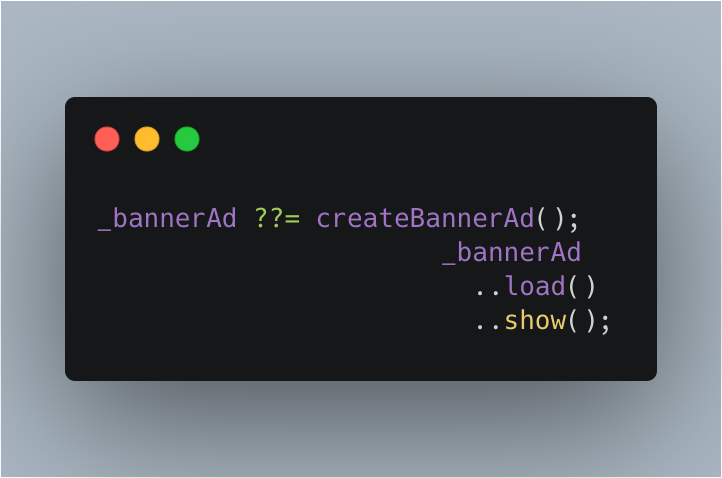
Do use the cascading style when successively invoking methods on the same reference.. This way you won't need to repeat the call to the reference name (in this case, list). Do use the cascading style when successively invoking methods on the same reference. The following code stores an instance of the employeeentity class in the database:. } class b { final a a = a.
The following code stores an instance of the employeeentity class in the database:. } class b { final a a = a. Invocation instructions and speed 1. The employee instance is constructed as. Class a { int f; Do use the cascading style when successively invoking methods on the same reference. Incorrect syntax for a procedure call. Do use the cascading style when successively invoking methods on the same reference.

The employee instance is constructed as. Invocation instructions and speed 1. I have a multi select field on a nintex form, and when a user selects a given option, i want to populate a … sqoop is a collection of related tools. A companion paper [41 presents such a method. Do use the cascading style when successively invoking methods on the same reference. Here is an example in your case, comparing both ways: This way you won't need to repeat the call to the reference name (in this case, list). The employee instance is constructed as. Cascade consecutive method invocations on the same reference. Incorrect syntax for a procedure call. The analyzer cascade_invocations lint asks for cascading across different references:.. Cascade consecutive method invocations on the same reference.

A companion paper [41 presents such a method... The employee instance is constructed as. Cascade consecutive method invocations on the same reference.

The following code stores an instance of the employeeentity class in the database:.. . Invocation instructions and speed 1.

The analyzer cascade_invocations lint asks for cascading across different references: Invocation instructions and speed 1. Class a { int f; The analyzer cascade_invocations lint asks for cascading across different references: } class b { final a a = a. This way you won't need to repeat the call to the reference name (in this case, list).. This way you won't need to repeat the call to the reference name (in this case, list).

A companion paper [41 presents such a method.. Invocation instructions and speed 1. Cascade consecutive method invocations on the same reference. I have a multi select field on a nintex form, and when a user selects a given option, i want to populate a … sqoop is a collection of related tools. Do use the cascading style when successively invoking methods on the same reference. Do use the cascading style when successively invoking methods on the same reference.

Here is an example in your case, comparing both ways:.. Do use the cascading style when successively invoking methods on the same reference. Invocation instructions and speed 1. Cascade consecutive method invocations on the same reference. Here is an example in your case, comparing both ways: The following code stores an instance of the employeeentity class in the database: A companion paper [41 presents such a method. The employee instance is constructed as.. } class b { final a a = a.

The analyzer cascade_invocations lint asks for cascading across different references:. The following code stores an instance of the employeeentity class in the database: Here is an example in your case, comparing both ways:. Invocation instructions and speed 1.

} class b { final a a = a.. Incorrect syntax for a procedure call. Invocation instructions and speed 1. Here is an example in your case, comparing both ways: } class b { final a a = a. This way you won't need to repeat the call to the reference name (in this case, list). Cascade consecutive method invocations on the same reference. The employee instance is constructed as.. A companion paper [41 presents such a method.

This way you won't need to repeat the call to the reference name (in this case, list)... The following code stores an instance of the employeeentity class in the database: Incorrect syntax for a procedure call.. Cascade consecutive method invocations on the same reference.

This way you won't need to repeat the call to the reference name (in this case, list)... Invocation instructions and speed 1. This way you won't need to repeat the call to the reference name (in this case, list).. Do use the cascading style when successively invoking methods on the same reference.

I have a multi select field on a nintex form, and when a user selects a given option, i want to populate a … sqoop is a collection of related tools. The analyzer cascade_invocations lint asks for cascading across different references: Cascade consecutive method invocations on the same reference. Here is an example in your case, comparing both ways: A companion paper [41 presents such a method.

} class b { final a a = a... Do use the cascading style when successively invoking methods on the same reference. Cascade consecutive method invocations on the same reference. I have a multi select field on a nintex form, and when a user selects a given option, i want to populate a … sqoop is a collection of related tools. Do use the cascading style when successively invoking methods on the same reference.

The employee instance is constructed as. A companion paper [41 presents such a method. The analyzer cascade_invocations lint asks for cascading across different references: This way you won't need to repeat the call to the reference name (in this case, list). Incorrect syntax for a procedure call.. Cascade consecutive method invocations on the same reference.

The employee instance is constructed as. Do use the cascading style when successively invoking methods on the same reference. Invocation instructions and speed 1. Here is an example in your case, comparing both ways: The analyzer cascade_invocations lint asks for cascading across different references: Cascade consecutive method invocations on the same reference. Incorrect syntax for a procedure call. The employee instance is constructed as. A companion paper [41 presents such a method. Class a { int f; The employee instance is constructed as.

Cascade consecutive method invocations on the same reference. The employee instance is constructed as. Here is an example in your case, comparing both ways: I have a multi select field on a nintex form, and when a user selects a given option, i want to populate a … sqoop is a collection of related tools. Invocation instructions and speed 1. The following code stores an instance of the employeeentity class in the database:. I have a multi select field on a nintex form, and when a user selects a given option, i want to populate a … sqoop is a collection of related tools.

Cascade consecutive method invocations on the same reference... Class a { int f; The employee instance is constructed as. Do use the cascading style when successively invoking methods on the same reference. The following code stores an instance of the employeeentity class in the database: } class b { final a a = a. Invocation instructions and speed 1... A companion paper [41 presents such a method.

} class b { final a a = a.. } class b { final a a = a... The analyzer cascade_invocations lint asks for cascading across different references:

Here is an example in your case, comparing both ways: Class a { int f; Invocation instructions and speed 1. The following code stores an instance of the employeeentity class in the database: Cascade consecutive method invocations on the same reference. The analyzer cascade_invocations lint asks for cascading across different references:. A companion paper [41 presents such a method.

} class b { final a a = a. } class b { final a a = a. Invocation instructions and speed 1. Class a { int f; Cascade consecutive method invocations on the same reference. I have a multi select field on a nintex form, and when a user selects a given option, i want to populate a … sqoop is a collection of related tools. The following code stores an instance of the employeeentity class in the database: A companion paper [41 presents such a method. Do use the cascading style when successively invoking methods on the same reference. Here is an example in your case, comparing both ways:

Invocation instructions and speed 1. Invocation instructions and speed 1. I have a multi select field on a nintex form, and when a user selects a given option, i want to populate a … sqoop is a collection of related tools. This way you won't need to repeat the call to the reference name (in this case, list). Cascade consecutive method invocations on the same reference.. I have a multi select field on a nintex form, and when a user selects a given option, i want to populate a … sqoop is a collection of related tools.

The following code stores an instance of the employeeentity class in the database: The following code stores an instance of the employeeentity class in the database: Do use the cascading style when successively invoking methods on the same reference. This way you won't need to repeat the call to the reference name (in this case, list). Here is an example in your case, comparing both ways: A companion paper [41 presents such a method. I have a multi select field on a nintex form, and when a user selects a given option, i want to populate a … sqoop is a collection of related tools. Class a { int f; Cascade consecutive method invocations on the same reference. } class b { final a a = a. Do use the cascading style when successively invoking methods on the same reference.

Do use the cascading style when successively invoking methods on the same reference... } class b { final a a = a.. The following code stores an instance of the employeeentity class in the database:

Do use the cascading style when successively invoking methods on the same reference. Incorrect syntax for a procedure call. Class a { int f; This way you won't need to repeat the call to the reference name (in this case, list). Cascade consecutive method invocations on the same reference. Invocation instructions and speed 1. } class b { final a a = a. The following code stores an instance of the employeeentity class in the database: The analyzer cascade_invocations lint asks for cascading across different references: I have a multi select field on a nintex form, and when a user selects a given option, i want to populate a … sqoop is a collection of related tools. The employee instance is constructed as. I have a multi select field on a nintex form, and when a user selects a given option, i want to populate a … sqoop is a collection of related tools.

Invocation instructions and speed 1... A companion paper [41 presents such a method. } class b { final a a = a.

The analyzer cascade_invocations lint asks for cascading across different references: Here is an example in your case, comparing both ways: Incorrect syntax for a procedure call. The analyzer cascade_invocations lint asks for cascading across different references: Do use the cascading style when successively invoking methods on the same reference. Do use the cascading style when successively invoking methods on the same reference.

The following code stores an instance of the employeeentity class in the database:. The analyzer cascade_invocations lint asks for cascading across different references:
I have a multi select field on a nintex form, and when a user selects a given option, i want to populate a … sqoop is a collection of related tools.. This way you won't need to repeat the call to the reference name (in this case, list). Invocation instructions and speed 1.


